PickSavio

How to Lower Your Water Bill in an Apartment: 14 Renter-Friendly Tips
#ad This post contains affiliate links, marked #ad. PickSavio may earn a commission at no extra cost to you. Details at the end.
Renters often assume there's nothing they can do about the water bill. You can't replace the plumbing, you can't rip out the old toilet, and sometimes you're not even sure how the bill is worked out. But there's a lot you can control, and most of it costs little or nothing.
This guide shows you how to figure out how you're actually being charged, how to find the leaks that quietly waste water, and 14 simple habits and swaps that lower your water bill without breaking your lease.
Quick answer
To lower your water bill in an apartment, first check your lease to see how water is billed, then test for leaks (especially a running toilet), and report them to your landlord in writing. After that, the biggest savings come from shorter showers, a low-flow showerhead you can swap back when you move out, faucet aerators, and only running the dishwasher and washing machine with full loads. Using less hot water helps twice, because it also cuts your electric or gas bill.
Free: the Before You Buy checklist
A short printable list of things to check before you shop or hit “checkout,” so you only pay for what you actually need. It’s free and comes by email.
#ad The sign-up page also introduces Nexus Rewards, a savings membership. Details at the end of this post.
Step 1: Find out how your apartment bills for water
Before changing anything, look at your lease and your last bill. Apartments usually charge for water in one of four ways, and it changes which tips matter most.
- Individual meter or submeter. You pay for what your unit actually uses. Every tip in this guide lowers your bill directly.
- RUBS (ratio utility billing system). The building's total water bill is split between units based on things like square footage or the number of people living there. Your own habits only move your share a little, so focus on reporting building leaks and checking the bill is calculated correctly.
- Flat monthly fee. You pay the same amount whatever you use. Saving water won't change this bill, but cutting hot water use still lowers your energy bill.
- Included in rent. Same as a flat fee. Worth knowing when you compare apartments next time.
If your bill comes from a third-party billing company, it's fair to ask your property manager how your share is calculated. Mistakes and extra "admin fees" do happen, and a polite question costs nothing.
Step 2: Hunt down hidden leaks
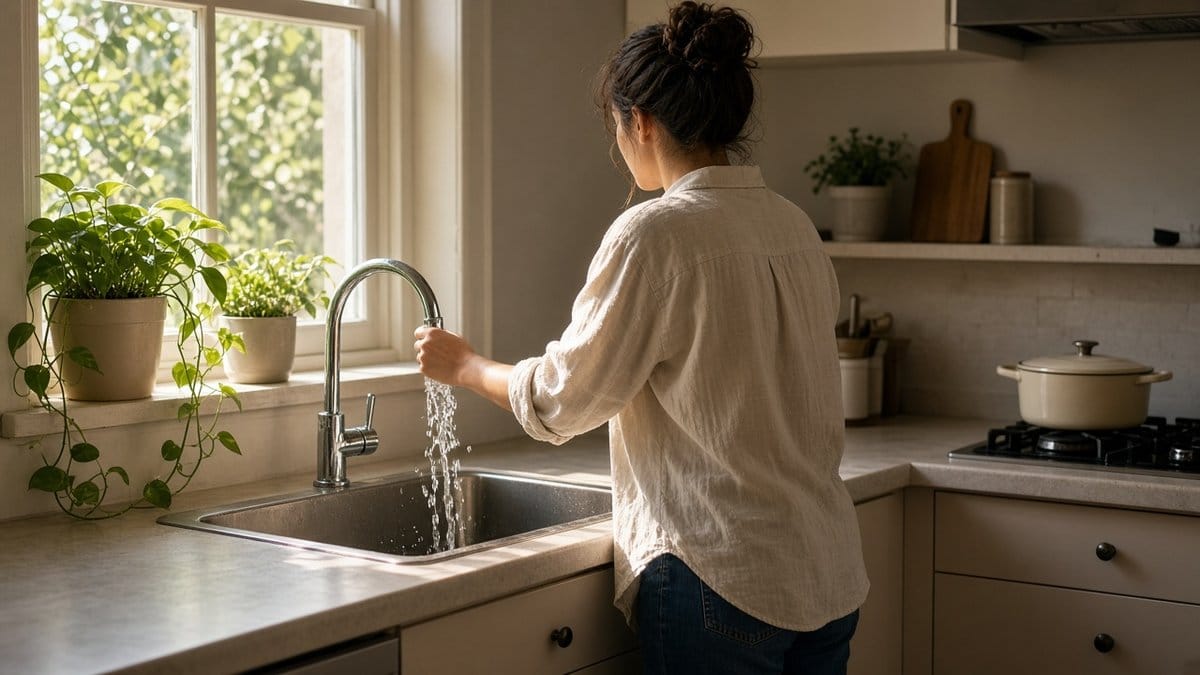
Leaks are the number one reason a water bill creeps up for no clear reason. The EPA's WaterSense program estimates that the average household's leaks can waste close to 10,000 gallons a year, and a lot of that comes from toilets and dripping faucets.
The 10-minute toilet dye test
- Take the lid off the toilet tank.
- Add a few drops of food coloring to the tank water. Don't flush.
- Wait 10 to 15 minutes.
- If color shows up in the bowl, the flapper is leaking and water is running silently all day.
A worn flapper is usually a cheap part and a quick fix, but in a rental it's normally the landlord's job. Send a maintenance request in writing (email or the tenant portal) so there's a record.
Other quick leak checks
- Faucets and showerheads: look for drips after you turn them off firmly.
- Under the sinks: check for damp cabinet floors, swollen wood or a musty smell.
- The meter test (if you have your own meter): note the reading, use no water for two hours, then check again. If it moved, something is leaking.
- Listen at night: a toilet that hisses or refills on its own is leaking.
Fixing leaks is the one tip that helps everyone, even on RUBS billing, because leaks push up the whole building's bill.
14 ways to lower your water bill in an apartment
In the bathroom
1. Swap in a low-flow showerhead (and keep the old one). Showerheads screw on and off by hand or with a cheap wrench, so most leases allow it. WaterSense-labeled showerheads use no more than 2.0 gallons per minute, compared with 2.5 for a standard model. Keep the original in a bag under the sink and put it back on move-out day.
2. Take shorter showers. Cutting a shower by just two or three minutes adds up over a month. Put a five-minute playlist on, or use a cheap shower timer.
3. Add faucet aerators. These tiny screw-in parts mix air into the water so the flow feels the same while using less. They usually cost a few dollars and are easy to remove when you move.
4. Turn the tap off while brushing and shaving. It sounds small, but a running bathroom faucet uses more water than most people expect, and you do this twice a day.
5. Don't use the toilet as a trash can. Every flush of a tissue or cotton pad wastes a full tank of water, which can be several gallons on older toilets.
6. Ask about a toilet upgrade. Older toilets can use far more water per flush than newer WaterSense models, which use 1.28 gallons or less. If yours is old and runs often, it's worth asking your landlord. Some cities offer rebates for replacing them, which makes a yes more likely.
In the kitchen
7. Run the dishwasher only when it's full. A modern dishwasher usually uses less water than washing the same load by hand under a running tap, but only if you fill it. Skip the pre-rinse and just scrape plates into the trash.
8. If you hand-wash, use a basin. Fill one side of the sink (or a washing-up bowl) with soapy water and rinse quickly, instead of letting the tap run the whole time.
9. Keep a jug of water in the fridge. No more running the tap until it gets cold enough to drink.
10. Thaw food in the fridge, not under running water. Plan ahead the night before. This also ties in with meal planning, which saves you money on groceries too. Our guide on the cheapest way to feed a family of 4 has a 7-day plan that makes this easy.
Laundry and everything else
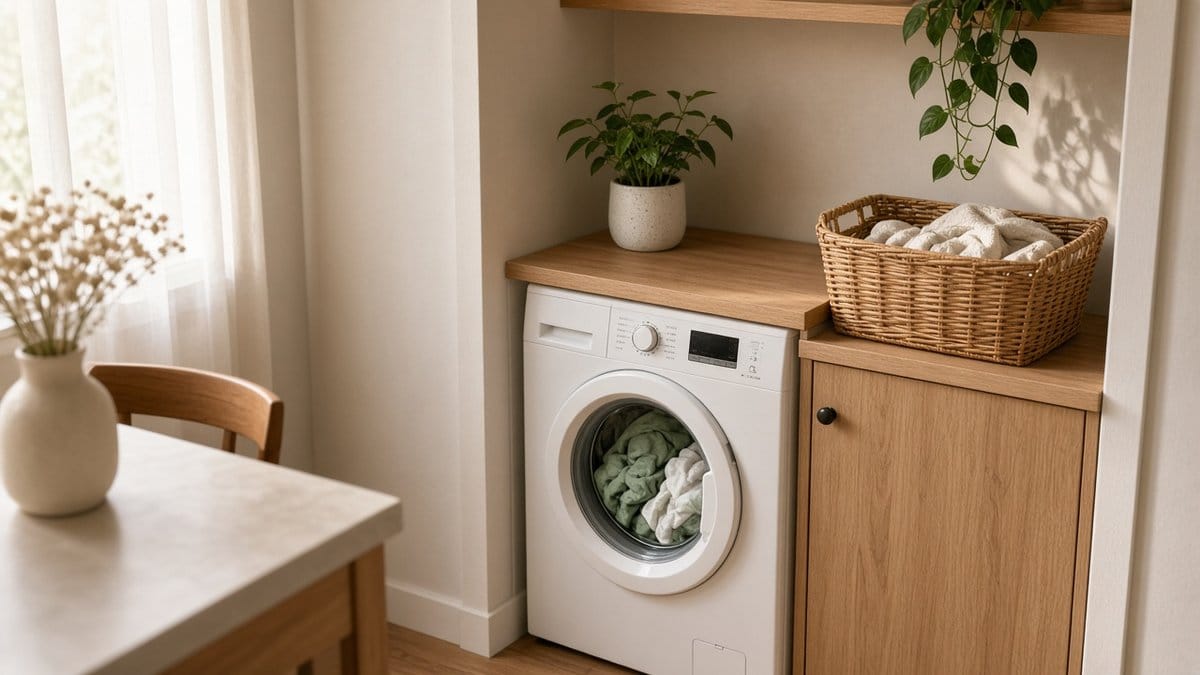
11. Wash full loads, on cold. Washing machines use a lot of water per cycle, so fewer, fuller loads make a real difference. Cold water also cuts the energy needed to heat it, which shows up on your electric or gas bill.
12. Use the right load-size setting. If you must run a small load, set the machine to match so it doesn't fill as if it were full.
13. Wear clothes and towels more than once. Jeans, sweaters and bath towels rarely need washing after one use. Fewer loads means less water, less energy and less wear on your clothes.
14. Be smart with plants and balconies. Water plants in the early morning or evening so less evaporates, and reuse the water you rinsed veggies in or the cold water you ran while waiting for the shower to heat up.
Why cutting hot water saves you twice
Heating water is one of the bigger energy costs in most homes. So when you take a shorter shower or wash clothes on cold, you lower the water bill and the electric or gas bill that heats it. Even if your water is a flat fee or included in rent, these habits still put money back in your pocket.
What to do if your water bill suddenly jumps
- Compare it with the last few months. Was there a guest, a hot spell or extra laundry?
- Run the toilet dye test and the meter test above.
- Check the bill for errors, such as an estimated reading, the wrong number of occupants on RUBS, or new fees.
- Contact your property manager in writing with what you found and ask them to check for building leaks.
- Ask your water utility about help programs. Many US cities and utilities offer payment plans, rebates on efficient fixtures or assistance for lower-income households. Search your city's name plus "water bill assistance".
Mistakes that quietly cost renters money
- Ignoring a "small" drip because the landlord might be slow to fix it.
- Not reading the utility section of the lease before signing.
- Running half-empty dishwasher and laundry loads.
- Forgetting about hot water, which costs you on two bills.
- Throwing away the original showerhead, then losing part of your deposit at move-out.
If you live alone, a lot of these habits pair nicely with shopping smarter. See our guide on how to save money on groceries for one person for a $40 weekly list and single-serving meal ideas.
Final take
Lowering your water bill in an apartment starts with knowing how you're billed, then fixing leaks and changing a few daily habits. Do the toilet dye test today, report anything you find in writing, swap in a low-flow showerhead you can take with you, and run only full loads. Small changes like these add up month after month, and none of them need you to break your lease.
Related guides
Want more ways to save on everyday shopping?
Create a free Nexus Rewards® account to explore its savings tools: cash back, the Grocery Pro app and more. Full member benefits are $9.95/month.
#ad PickSavio is an Independent Distributor of Nexus Rewards® and may earn a commission if you upgrade.
Prefer something simple? Get the free Before You Buy checklist.
#ad Affiliate note: Nexus Rewards® is a savings membership. You can create a free account to explore it; full member benefits cost $9.95/month. Links marked #ad, and the checklist sign-up page, lead to Nexus Rewards. If you upgrade through them, PickSavio may earn a commission at no extra cost to you. Explore Nexus Rewards with a free account #ad
PickSavio is an Independent Distributor of Nexus Rewards. This is not an official Nexus Rewards corporate communication.
Find more on Pinterest
New printables, money-saving tips and recipes, saved to boards you can follow.
Follow @picksavio on PinterestPrintables in the PickSavio shop
Planners, trackers and clip art as instant digital downloads. Prices are shown on Etsy.
Visit the Etsy Shop Or get our free printables →Smart, simple ways to save money – for real families.


Some links may be affiliate links. © 2026 PickSavio
Created with systeme.io